5 steps to low cortisol aim in Valorant from Rawzu's calm Phoenix gameplay
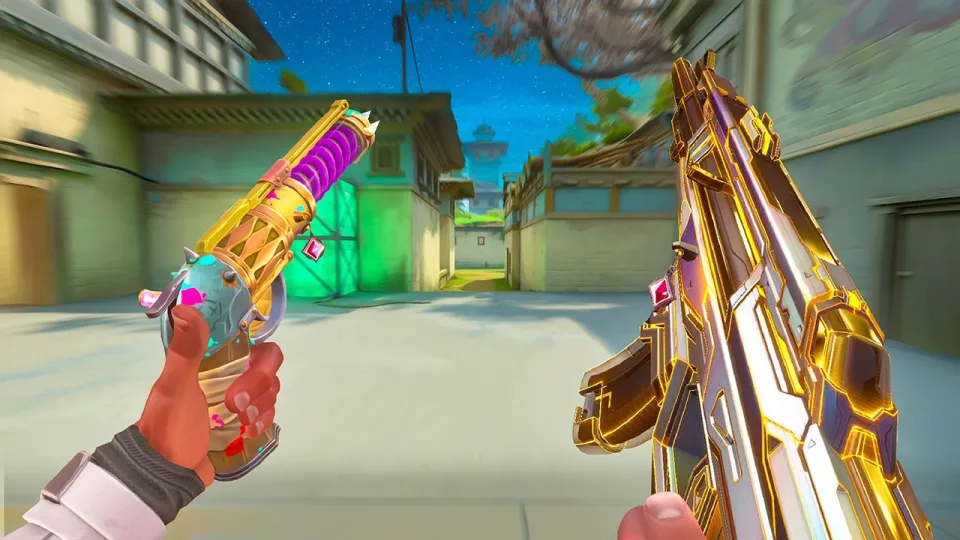
Video: low cortisol aim..
Need articles like this for your video? They help promote it on YouTube and Google — order them in the Telegram bot @sat_sit_bot. Articles with your video embedded are written and posted by the bot itself — on popular topical sites (no ads). Your first 50 articles are free.
· based on the channel Rawzu
Key takeaways
- Rawzu plays Phoenix with 400 DPI and 0.625 in-game sensitivity, a 1440x1080 resolution and crosshair code 1-6-2-2.
- His setup is a Logitech G Pro X Superlight 2 on an Artisan Zero Soft pad, viewed on a Zowie XL2566K at 360Hz.
- The 'low cortisol' label describes calm, repeatable aim rather than flashy flicking, built on a stable eDPI of 250.
- Phoenix's Curveball and Blaze let a duelist take fights on his own terms, which keeps tension low between duels.
- PC optimization for Valorant is the one practical upgrade Rawzu pushes, linked through hone.gg.
Low cortisol aim in Valorant means keeping your mouse hand and your decisions calm enough that every fight looks routine instead of desperate. Rawzu's Phoenix montage on the Rawzu channel is built around exactly that: clean crosshair placement, minimal wasted movement and a setup tuned for consistency. If you want the same feel, start with a stable sensitivity and a repeatable routine, and you can optimize your PC for Valorant so frame pacing stops adding stress to your aim.
What low cortisol aim actually means in Valorant
Low cortisol aim is the opposite of panic aiming: the crosshair is already where the enemy will appear, so the shot needs almost no correction. In Valorant that comes down to three habits — holding angles at head height, clearing corners with small strafes instead of wide swings, and only committing to a duel when the trade is already in your favor. The term itself is a joke about how relaxed the player looks, but the underlying skill is real and trainable.
Rawzu's Phoenix clips fit that description. Phoenix is an offensive duelist who hunts enemies and cripples their ability to fire back: Blaze creates a wall that blocks vision and deals damage, Curveball blinds opponents even behind corners, and Hot Hands plus the Run it Back ultimate make him durable enough to survive aggressive entries. A calm aimer uses those tools to force fights on his own terms, which is why the gameplay reads as unhurried even when it is fast.
The exact Valorant settings behind Rawzu's calm aim
Rawzu's settings are the most concrete thing you can copy, and they are deliberately unremarkable. Sensitivity is 400 DPI with 0.625 in-game, which works out to an eDPI of 250 — a low-to-mid range that rewards arm movement and punishes jittery wrist flicks. Resolution is 1440x1080, a stretched 4:3 style format that widens enemy models, and the crosshair is the compact 1-6-2-2 code.
- Sensitivity: 400 DPI / 0.625 (eDPI 250)
- Resolution: 1440x1080
- Crosshair: 1-6-2-2
- Mouse: Logitech G Pro X Superlight 2
- Mousepad: Artisan Zero Soft
- Monitor: Zowie XL2566K, 360Hz
The hardware list matters less than the logic: a light wireless mouse, a control-oriented soft pad and a high refresh monitor all reduce the small uncertainties that make players over-correct. If you change one thing, change the pad before the mouse — the Artisan Zero Soft is a control surface, and control surfaces make low-sensitivity tracking feel predictable.
Five steps to build low cortisol aim in Valorant
These five steps turn the idea into a routine you can run before and during ranked games. Each one removes a source of tension rather than adding a new technique.
- Lock one sensitivity for a full month. Pick an eDPI in the 200–300 range — Rawzu's 250 is a reasonable anchor — and stop touching it. Constant changes are the fastest way to make your hand second-guess every flick.
- Set up a crosshair you can actually see. The 1-6-2-2 style is small and dot-like; use it or a similarly tight crosshair so head height becomes the only thing you track, not a cluster of lines.
- Warm up with calm drills, not flick shots. Ten minutes of slow, deliberate head-height tracking and counter-strafe taps beats a frantic deathmatch. You are training the absence of panic, so the drill should feel boring.
- Clear angles with strafes, not swings. Wide peeks force fast corrections; short strafe-clears keep your crosshair near the corner and let Curveball or Blaze do the work of denying information.
- Breathe and reset between rounds. Low cortisol is literal: slow exhales during buy phase, no rapid clicking, and a physical reset after every death.
Why Phoenix suits a relaxed aim style
Phoenix rewards players who take space early and then disengage, which is a calmer loop than it sounds. Blaze lets you cut sightlines and walk through defended open areas without exposing yourself to three angles at once, so your crosshair only has to cover one. Curveball blinds enemies even when they hide behind corners, meaning your entry does not depend on a perfect flick into an unseen target. Hot Hands gives self-healing on the move, and Run it Back lets you take a risky first contact and return if it goes wrong.
The result is a duelist who can start fights without needing to win them instantly. That is the mechanical core of a low-stress aim style: fewer desperate corrections, more pre-aimed angles, and abilities covering the moments where a panic flick would otherwise be required.
The questions viewers keep asking about this playstyle
Viewers consistently push back on two things: whether the calm look is genuine and whether the settings are worth copying at all. The honest answer is that low cortisol aim is a description of a result, not a secret technique — it comes from repetition and from removing friction in your setup. Several comments also joke about the video feeling like a different game entirely, which is a fair reaction to stretched resolutions and heavy editing; treat the aesthetic as presentation, not as a mechanical advantage.
The other recurring theme is movement. Rawzu's strafing and counter-strafing are what let the aim look effortless, because a player who stops moving precisely does not need to correct as much. If your aim feels shaky, check your movement first: over-peeking and drifting while shooting creates most of the correction you are blaming on sensitivity.
Where PC performance fits into a calm aim routine
Frame stability is the least glamorous part of low cortisol aim and one of the most effective. Stutters and uneven frame times force your hand to compensate for information that arrives late, and that compensation is exactly the tension the whole approach is trying to remove. A consistent high frame rate on a 360Hz panel is why Rawzu's setup looks smooth rather than because of any single peripheral.
This is the one upgrade the channel actively promotes: the hone.gg link in the description is a PC optimization service aimed at Valorant, covering the settings that affect frame pacing and input latency. Before buying another mouse, make sure your current one is delivering stable frames.
Useful links from the video
Final thoughts on copying a calm aim style
Low cortisol aim in Valorant is a package: a fixed low sensitivity, a tight crosshair, deliberate movement and a duelist who can start fights without needing a miracle flick. Rawzu's Phoenix footage on the Rawzu channel is a useful reference because the settings are published openly and the gameplay shows the habits rather than hiding them behind highlight reels. Copy the numbers first, then spend a month building the routine around them. When your setup stops stuttering, optimize your PC for Valorant with hone.gg and give your hand one less thing to fight.
Source: low cortisol aim.. · Markdown version
Questions & answers
Is Rawzu's Valorant sensitivity actually good for most players?
400 DPI at 0.625 gives an eDPI of 250, which sits in the low-to-mid range most competitive players use. It rewards arm aiming and stable crosshair placement, but if you have limited desk space you may prefer something closer to 280–320 eDPI. The key is picking one value and leaving it alone for at least a month.
Do I need a 360Hz monitor to aim calmly?
No. A high refresh rate like the Zowie XL2566K's 360Hz makes motion clearer, but calm aim comes from crosshair placement and movement discipline. A stable frame rate matters more than a high one, so fix stutters before upgrading the panel.
Why does the gameplay look so different from normal Valorant footage?
The stretched 1440x1080 resolution widens enemy models and the editing leans into a smooth, ASMR-style presentation. That is a viewing and comfort choice rather than a mechanical advantage — the aim itself comes from the sensitivity, crosshair and strafing habits.
Should I copy the crosshair code or build my own?
A compact crosshair like the 1-6-2-2 code keeps your eye focused on head height instead of a busy shape. Copy it as a starting point, then adjust thickness or gap only if you genuinely lose the dot against certain backgrounds.